
Congress and EPA established a federal methane “waste emissions charge” under the Inflation Reduction Act (IRA), but questions remain about when specific facilities must start paying and how quickly enforcement pressure will build. For some operators, this uncertainty has delayed projects that were warranted primarily due to short-term compliance with the fee.
At the same time, expectations from investors, customers, regulators, and internal teams continue to rise around credible, data?driven insight into actual methane losses. This broader accountability trend is reshaping how methane is measured and reported.
The real question isn't just when enforcement will strike, but how prepared you are to demonstrate—clearly and convincingly—that your methane numbers are accurate, defensible, and ready for scrutiny. As the stakes rise, those who invest in reliable measurement now will be positioned not only to avoid costly surprises, but to lead in transparency and trust. Read on to see how strategic measurement choices can safeguard your bottom line and reputation.
What the Inflation Reduction Act’s Methane Charge Really Does
Section 136 of the Clean Air Act, added by the IRA, directs EPA to impose and collect a “waste emissions charge” (WEC) on methane emissions from certain oil and natural gas facilities that report according to the Greenhouse Gas Reporting Program. The charge applies when reported emissions exceed specified performance thresholds for production, gathering, boosting, processing, transmission, and storage.
The statute sets an escalating schedule starting at 900 dollars per metric ton of methane and reaching a cap of 1,500 dollars per metric ton of methane. The EPA bases these charges on empirical data reflecting total emissions from applicable facilities.
In parallel, the IRA provides several hundred million dollars in supplemental funding to help covered facilities improve equipment and processes that reduce methane emissions. This includes grants targeted at “marginal conventional wells.”
The mix of direct charges and technical support is meant to push large emitters toward better leak detection, more efficient operations, and more reliable emissions quantification.
Why Waiting for Perfect Clarity is Risky
Even with the statutory charge levels defined, operators still face uncertainty about how fast enforcement, audits, and facility?specific obligations will evolve. Some are inclined to defer measurement upgrades until the last possible moment, hoping to respond only when they know exactly how the rule will affect a given asset.
The challenge with that approach is twofold. First, the cost of the charge is already substantial at 900 dollars per metric ton of methane and will increase to 1,500 dollars, so under?reported emissions that later come to light can quickly translate into significant financial exposure. Second, the same stakeholders who care about regulatory compliance—boards, lenders, customers, and internal ESG teams—are demanding auditable, measurement?based methane data today, not just model estimates.
For many facilities, the weakest link is how gas flows associated with venting, flaring, and fuel use are quantified. These systems often involve low flows, wide turndown, process variability, and intermittent events, all of which make it difficult to rely on static emission factors or infrequent spot checks. When a methane fee, shareholder disclosure, or third?party review depends on those numbers, confidence in the underlying measurement becomes critical.
How Thermal Mass Flow Measurement Supports Methane Accountability
To move from estimates to measurement, operators need flow technologies that can deliver accurate mass flow data without requiring perfect knowledge of pressure, temperature, or gas density at all times. Direct mass flow measurement helps reduce reliance on assumptions that can be challenged later and builds a stronger foundation for both regulatory and voluntary reporting.
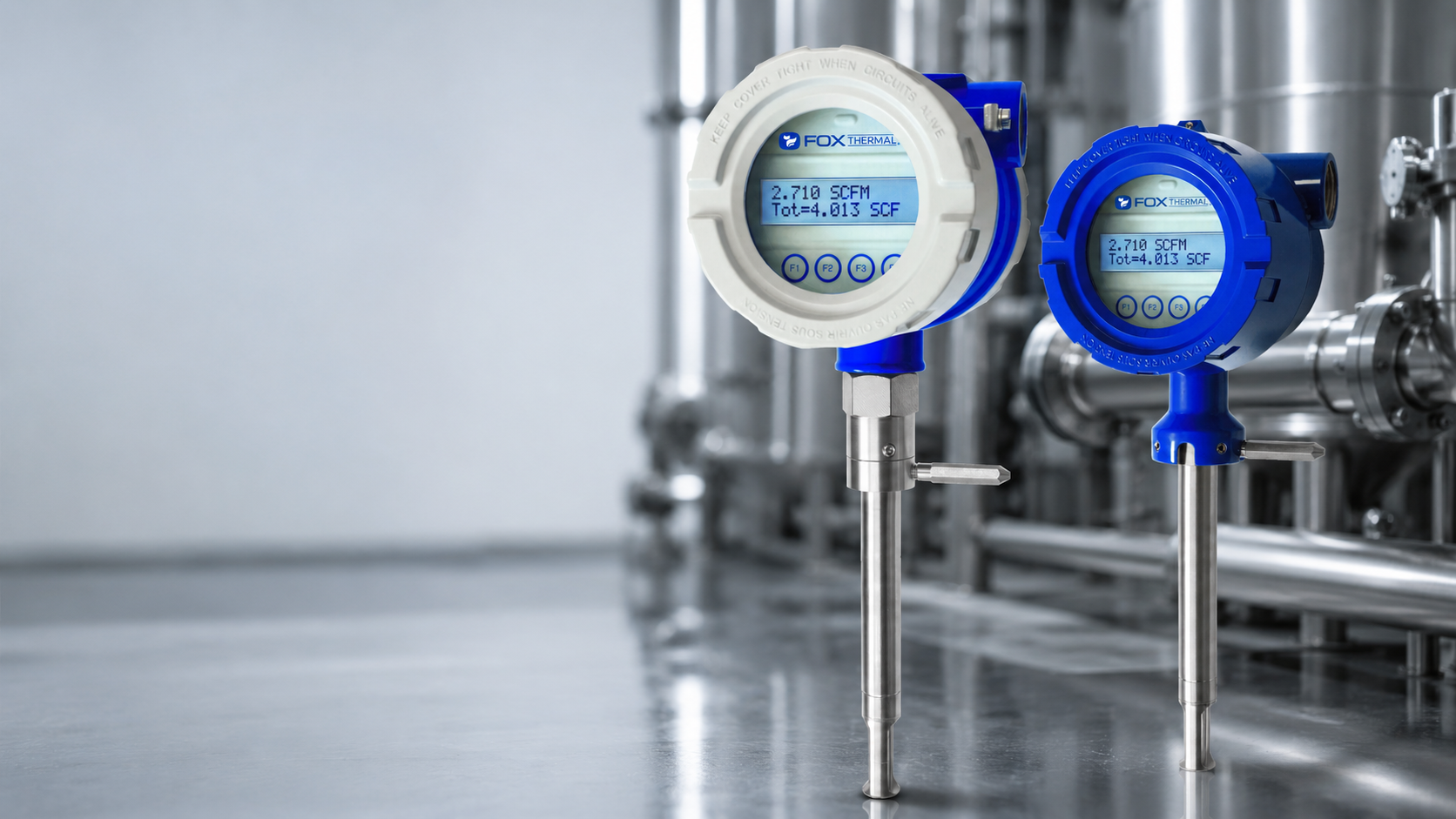
Thermal mass flow meters are particularly well suited to methane?focused applications in oil and gas, including flare lines, fuel gas headers, and vent streams. Stable performance at low velocities, wide turndown capability, and fast response make it possible to capture small or intermittent methane events that conventional technologies may miss. The result is more complete insight into when, where, and how methane is actually leaving the system.
That visibility supports more robust emissions inventories, but it also goes further. High?quality mass flow data can highlight avoidable gas losses, identify abnormal operating behavior, and support more efficient process control, turning an apparent compliance cost into an operational improvement opportunity.
Aligning Measurement Strategy with the IRA Methane Charge
The Congressional Research Service notes that facilities subject to the methane charge are likely to weigh the cost of emissions reductions against the cost of paying the charge and that site?specific economics will determine how far each facility goes in reducing methane. In practice, operators can only make that comparison if they trust the underlying emissions data, which depends heavily on how key gas flows are measured.
By upgrading to thermal mass flow meters in critical lines, operators strengthen the link between actual emissions performance and financial decision?making. Accurate flow data allows teams to identify low?cost abatement options—such as fixing leaks, rerouting gas to beneficial use, or optimizing combustion—instead of broadly over?spending to “be safe” or under?investing and risking higher charges later.
Because EPA has emphasized empirical data in the methane emissions reduction program, facilities that rely primarily on generic factors and limited measurements may face more scrutiny over time. Investing in better measurement now helps reduce that risk and can simplify future audits, third?party reviews, and voluntary disclosures.
Turning Regulatory Uncertainty into Long?Term Resilience
The IRA methane charge is only one part of a broader policy and market shift toward tighter methane control in the oil and gas sector. As additional rules, state programs, and international standards evolve, operators that already capture reliable, high?resolution flow data will be better positioned to respond without major disruption.
Measurement installed today delivers value immediately through reduced gas losses, improved process visibility, and stronger ESG reporting, while also reducing exposure to future regulatory changes. In that sense, thermal mass flow measurement is not just a reaction to a single fee—it is a strategy for building resilience in an environment where methane performance is under increasing scrutiny.
FAQs
What is the Inflation Reduction Act (IRA) methane waste emissions charge, and why does it still matter if implementation timing is uncertain?
IRA created a federal waste emissions charge for methane from certain oil and gas facilities, but subsequent congressional and regulatory actions created uncertainty around exactly how EPA will implement it. Even so, the report shows the policy still matters because the statutory framework remains in place and is now scheduled around a 2034 effective date, which means operators still benefit from improving the quality of their methane data in advance.
Why is direct flow measurement important for methane reporting?
Methane can be released through venting, equipment leaks, maintenance activities, and flaring, and those sources can be difficult to quantify with confidence. Direct mass flow measurement helps reduce reliance on assumptions and estimated factors, which is especially valuable in applications such as vent gas, flare gas, and other oil and gas systems highlighted by Fox Thermal.
How do Fox Thermal flow meters support methane-focused oil and gas applications?
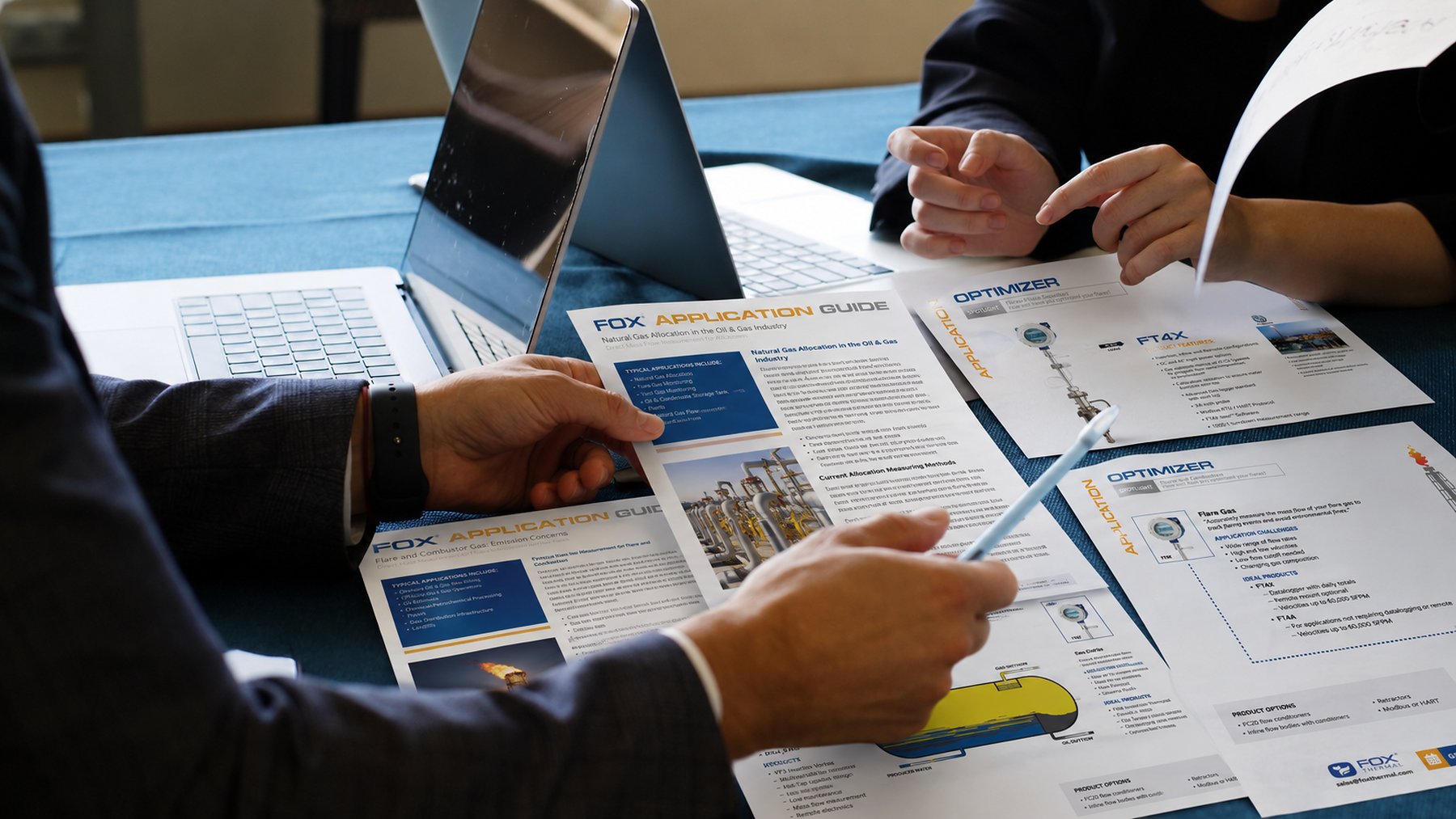
Fox Thermal’s oil and gas application content says its thermal mass flow meters are used to monitor gas consumption or emissions, measure fuel gas to burners and boilers, and capture very low vent gas flow rates at oil and gas storage tanks. Fox’s flare gas application content also positions its meters for monitoring flared gas in oil and gas operations, which fits the blog’s focus on low flow sensitivity, wide turndown, and better visibility into intermittent methane events.
[GS1]Pick one